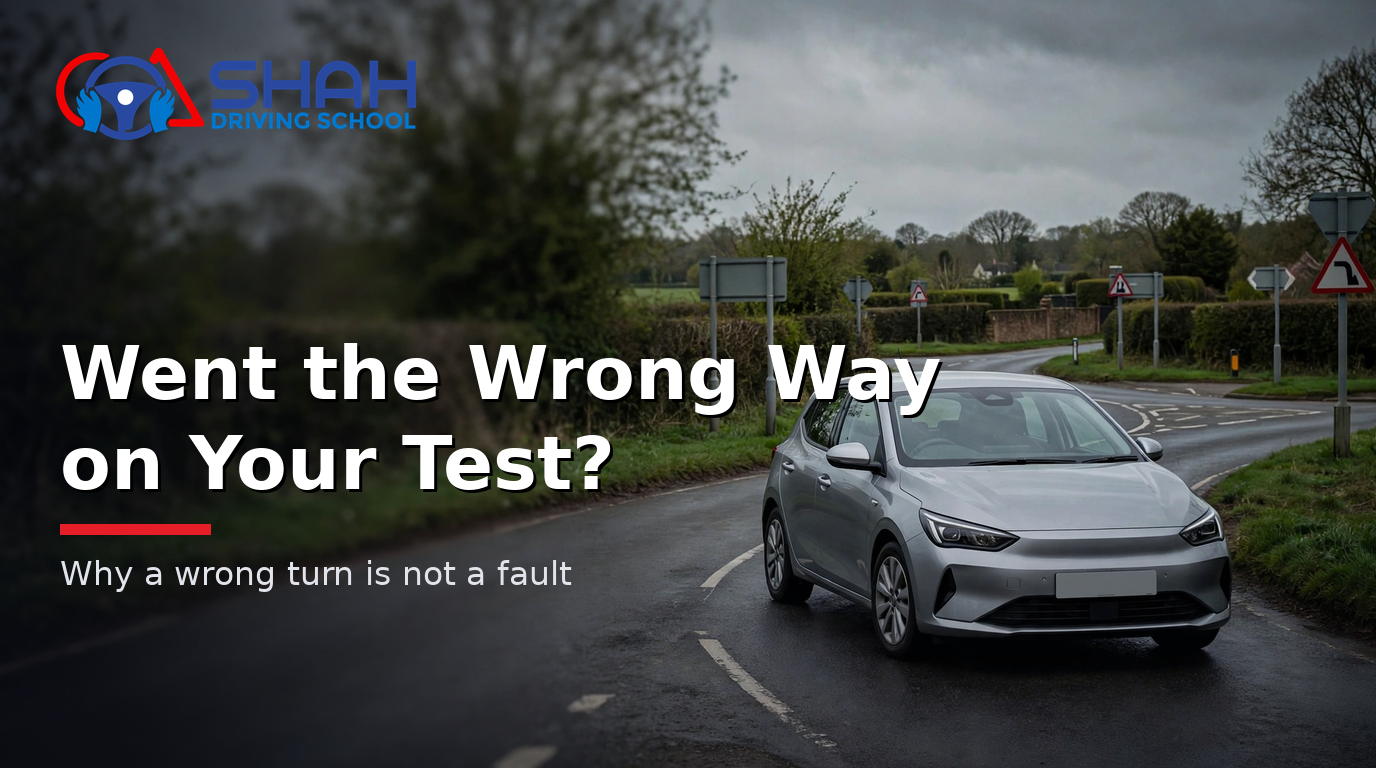

Wrong Way on Driving Test: The sat nav said left. You went right. Your stomach drops, your hands tighten on the wheel, and one thought fills your head: I’ve failed.
You have not. Going the wrong way on your driving test is not a fault. It never has been. The examiner is assessing how safely you drive — not whether you can navigate. Yet this misunderstanding ruins more tests than the wrong turn itself, because panicking learners make real mistakes trying to fix a non-mistake.
Here is exactly what happens when you go off route, why the test works this way, and how to handle it like a pass-worthy driver.
GOV.UK states it plainly: the examiner will not give you a fault for taking a wrong turning. If you go off the route, the examiner will simply help you get back on it.
Think about what the examiner is actually marking. Every fault on your test sheet relates to safety and control — observations, signals, positioning, speed, judgement. None of them say “took the wrong exit.” The examiner knows you have never driven these roads before. They expect wrong turns. What they are watching is how you handle one.
About 20 to 35 minutes of your test is independent driving — the section where you follow directions from a sat nav or from traffic signs instead of turn-by-turn instructions from the examiner. The examiner tells you which to follow, and if a sat nav is used, they set it up themselves. You cannot use your own.
This section exists to answer one question: can you drive safely on your own after you pass? In real life, sat navs recalculate, signs get missed, and drivers take wrong turns every day. A safe driver carries on calmly and finds the way back. An unsafe driver panics. The test is designed to see which one you are.
So when you go the wrong way, the examiner does not reach for the fault pen. They give you new directions from wherever you ended up, and your driving continues to be marked exactly as normal. A missed turn changes your route, not your score.
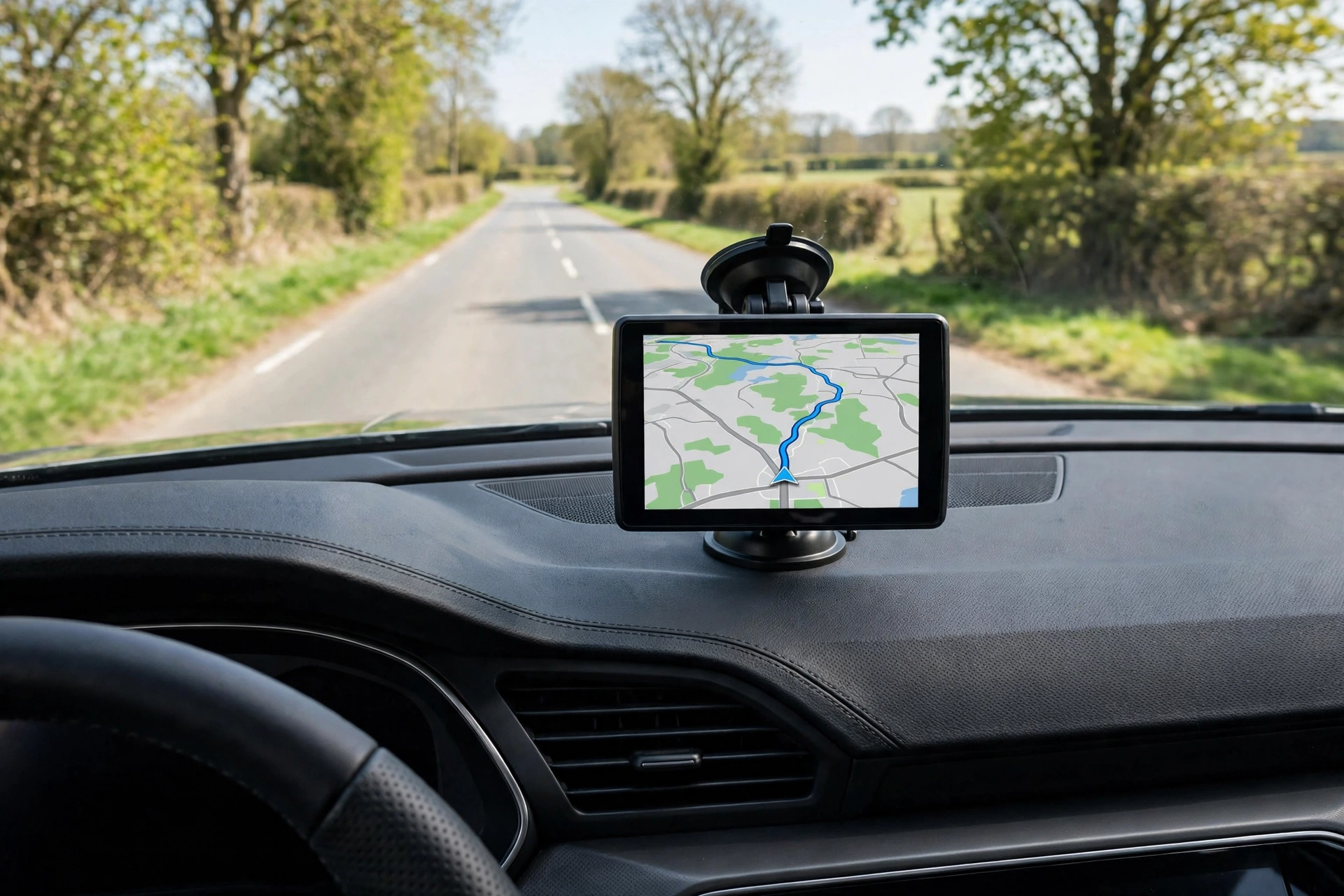
The examiner sets up the sat nav — you cannot use your own device on the test.
The moment you realise you went the wrong way:
The learners who pass after a wrong turn all do the same thing: they treat it as nothing. Because in the examiner’s eyes, it is nothing.
The turn itself is never marked. But your reaction to it absolutely can be. Here is where learners actually lose marks:
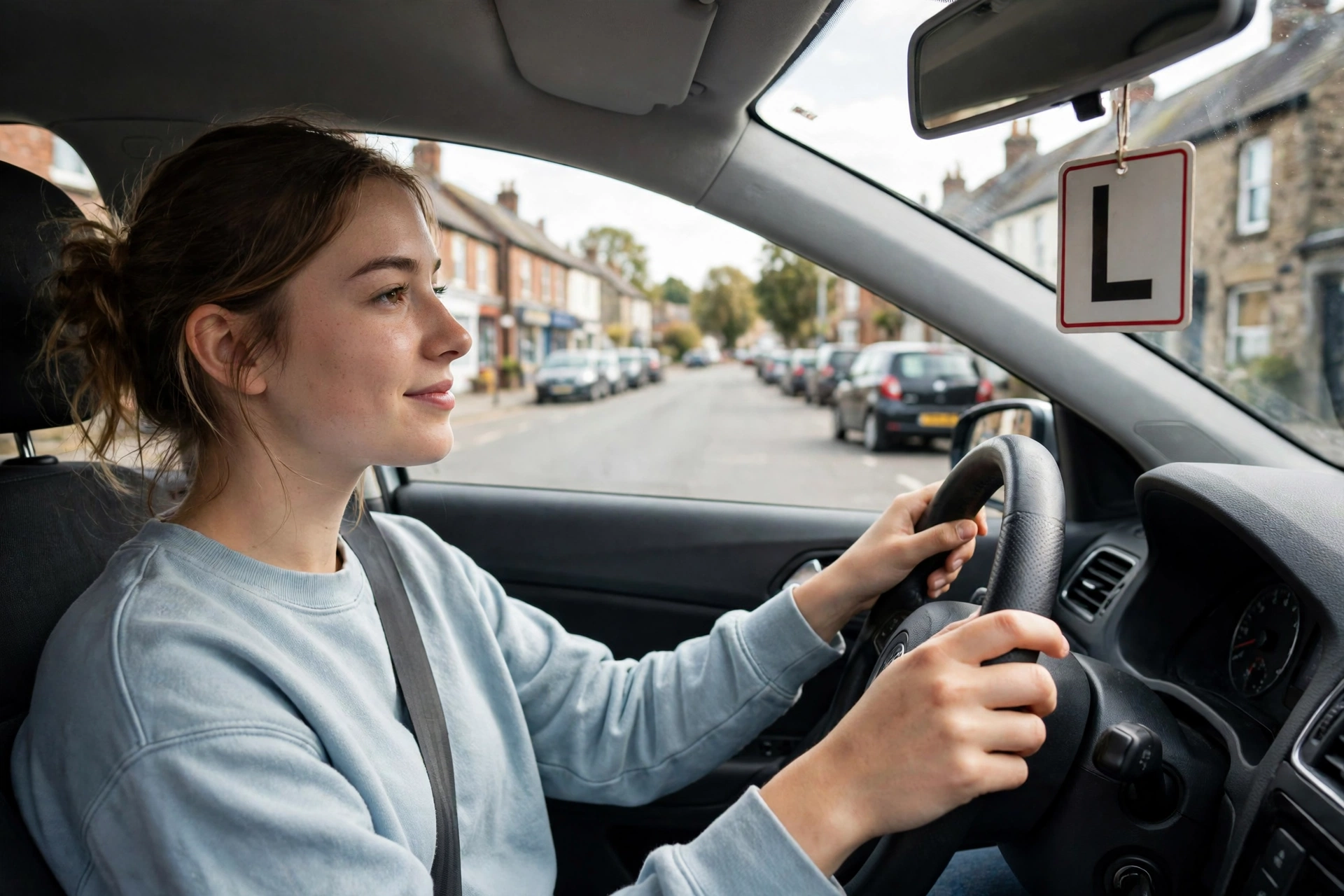
The wrong turn is free — the panic is expensive. Carry on calmly and wait for new directions.
The pattern is simple: the wrong turn is free; the panic is expensive.
Understanding the section removes the fear of it:
When no independent-driving instruction is active, the examiner gives turn-by-turn directions as normal. If you reach a junction with no direction given, follow the road ahead.
Our intensive driving courses and manual driving lessons both include regular independent-driving practice, including sat nav work, across Bolton, Horwich, Atherton and Farnworth.
“Going the wrong way is an instant fail.” False. It is not a fault at all. Learners fail every week believing this and then drive the rest of the test in a panic — the panic fails them, not the turn.
“Asking the examiner to repeat a direction counts against me.” False. Asking for confirmation is not a fault. Driving off confidently in the wrong direction because you were too nervous to ask is far worse.
No. The examiner will not mark a fault for a wrong turning. They will give you new directions, and the test continues as normal.
Yes. If you are unsure, ask. It is not a fault, and it is always better than guessing.
No. If the independent driving section uses a sat nav, the examiner sets it up and operates it. You cannot use your own device.
Ignore it. Road signs, road markings and traffic conditions always take priority over the sat nav. Let the examiner redirect you — that is exactly what they are there for.
No. The examiner simply gets you back on route. The test continues for its normal length and covers what it needs to cover.
More questions? Read our frequently asked questions page.
Every examiner has watched hundreds of learners take wrong turns. The ones who pass are the ones who shrug, drive on safely, and follow the new directions. Wrong turns happen to qualified drivers every single day — what makes you test-ready is handling one without it affecting your driving.
Shah Driving School teaches manual and automatic lessons across Bolton, Horwich, Atherton and Farnworth, with independent-driving practice built into every course. Book your lessons today. And if you are taking the test soon, read our eyesight check guide and own-car checklist too — test day rewards the prepared.
WhatsApp us