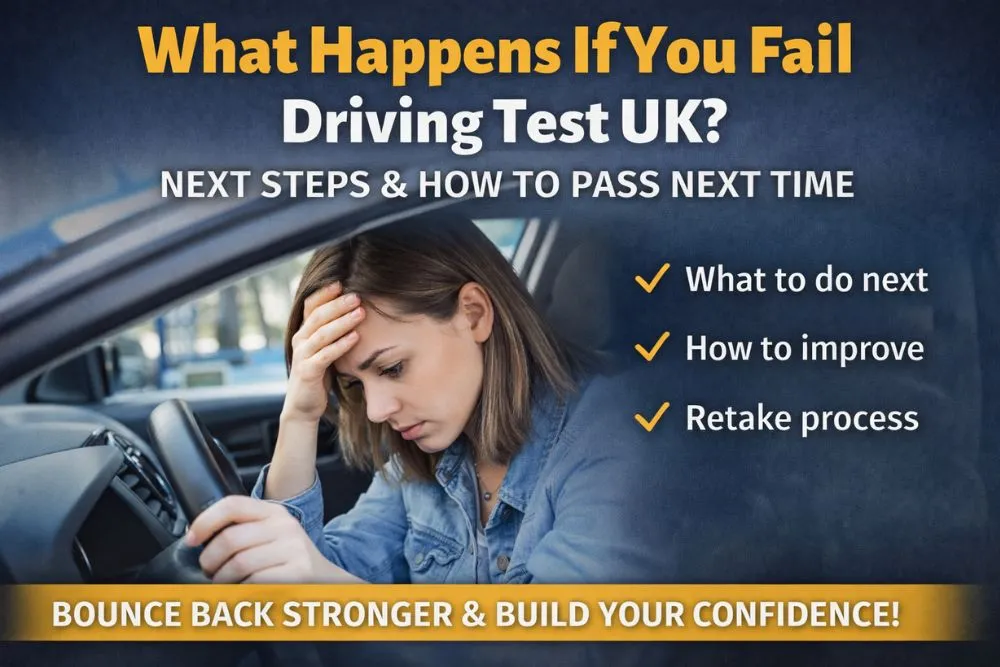

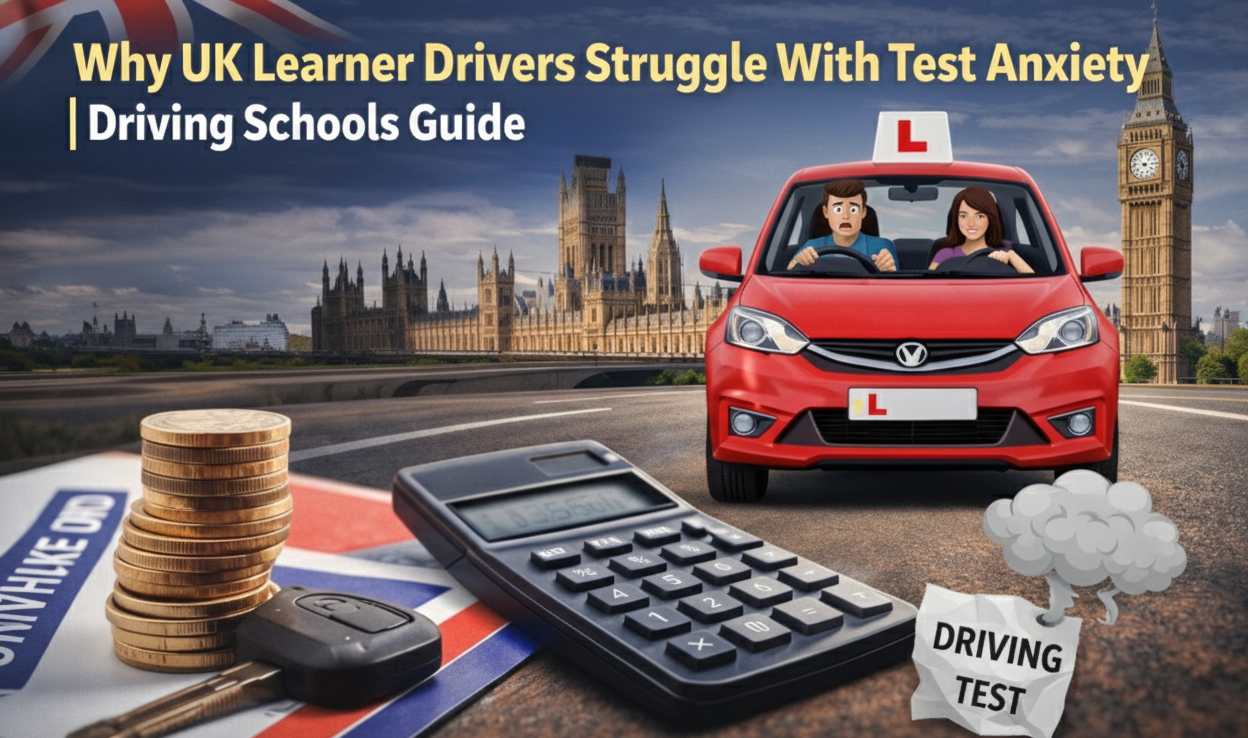
Learning to drive should feel exciting. But for many UK learners, it feels like pressure, panic, and sleepless nights before the test.
They practise well. They know the rules. Yet on test day, everything goes wrong. This problem has a name: driving test anxiety. And it affects thousands of learners every year.
If you run a driving school or you’re learning to drive, this issue matters more than you think. Because anxiety does not just delay success. It increases costs, lowers confidence, and pushes many learners to quit too early.
Let’s talk about the real problem and the real solution.
Most learners don’t fail because they can’t drive. They fail because stress hijacks their brain.
During lessons, they:
During the test, they:
Same driver. Same skills. Different mindset. That gap between ability and performance creates the biggest challenge for UK driving schools today.
This is not just a feeling-based claim. It links closely with how the UK driving test works.
According to DVSA guidance and learner feedback collected by organisations like the AA Driving School and RAC Drive, most nervous learners fear three things:
These fears build pressure. Pressure creates panic. Panic causes mistakes.
Let’s talk numbers real ones.
In the UK:
One failed test can easily add £250 – £400 to a learner’s budget. That hurts students. It hurts parents. It hurts trust in driving schools. And it all starts with unmanaged stress.
Driving schools don’t lose only money.
They lose reputation.
When learners fail, many assume:
Even if teaching was good, anxiety hides the results. That’s why modern driving schools in the UK now focus on confidence training, not just car control.
According to DVSA official statistics, around 48% of learners fail their practical driving test on the first attempt.
The most common serious faults include:
These are not advanced skills. These are basic actions affected most by stress. So the problem is not skill shortage. It’s pressure overload.
If you run a driving school in the UK, this is your biggest opportunity to stand out.
Not by being cheaper.
Not by promising faster passes.
But by building calmer drivers.
Here’s how successful schools fix the anxiety problem.
Don’t wait until the end.
Run mock tests after:
Early exposure to pressure makes the real test feel normal.
Familiarity kills fear.
Many learners memorise:
But tests reward judgement more than memory.
Teach learners how to think, not just follow.
If learners fear mistakes, anxiety grows.
Great instructors say:
“Its okay, it happens, you are here to learn”
Safe mistakes create confident drivers.
If you are learning to drive, this part is for you.
You don’t need super confidence.
You need simple habits.
The driving test is not life or death.
It’s just a lesson with a different person.
When you change this mindset, stress drops automatically.
Before each lesson:
Calm hands make better steering decisions.
Eat properly.
Sleep well.
Arrive early.
Your brain performs better when your body feels safe.
Parents and learners today don’t search for:
They search for:
Trust brings long-term growth. Price wars bring short-term stress. Schools that solve the anxiety problem win on trust.
If your driving school website wants to impress both Google and users, reference real authorities, not opinions.
Use sources like:
These names build credibility instantly. Google values that. Parents trust that.
Modern schools don’t only teach driving.
They teach confidence.
That means:
When learners feel safe, results follow naturally.
When anxiety drops:
This is not marketing theory. This is human behaviour. People recommend calm experiences. nThey warn others about stressful ones.
Driving success in the UK does not depend only on skill. It depends on mindset. Learners already have the ability. They just need the right environment to show it.
Driving schools that fix test anxiety don’t just create drivers. They create confident people. And that’s the kind of impact that builds real trust online and on the road.
Trusted Sources Used
This article is based on real guidance and data from:
No random numbers. No fake claims. Only verified UK driving education sources.
WhatsApp us